

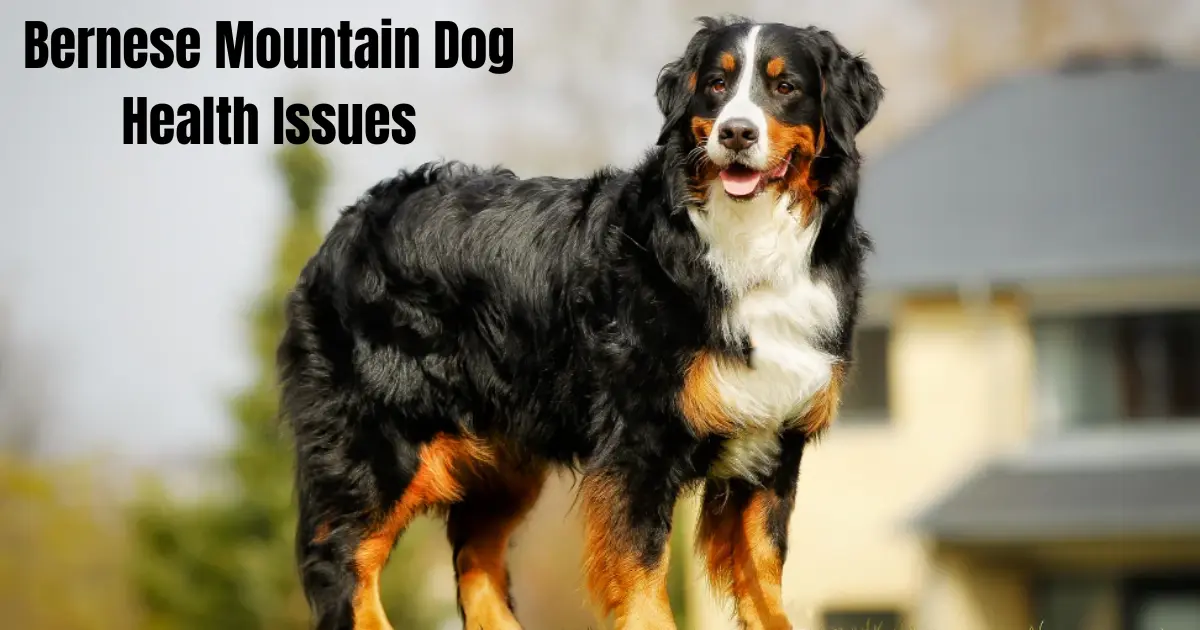
Bernese Mountain Dogs are known for their gentle temperament, loyalty, and striking appearance. Their affectionate nature makes them wonderful family companions, but like many large dog breeds, they are prone to several health concerns. Understanding Bernese Mountain Dog health issues can help owners provide better care, recognize early warning signs, and improve their dog’s quality of life.
Whether you already own a Bernese Mountain Dog or are considering bringing one home, learning about common health problems, preventive care, and lifespan expectations is essential.
Why Are Bernese Mountain Dogs Prone to Health Issues?
Bernese Mountain Dogs have a relatively short lifespan compared to many other breeds. While genetics play a significant role, their large size also contributes to several health challenges.
Over decades of selective breeding, certain hereditary conditions became more common within the breed. Responsible breeding practices and regular veterinary care can help reduce some of these risks, but owners should still be aware of potential health concerns.
The average Bernese Mountain Dog lifespan is typically between 7 and 10 years, though some dogs may live longer with excellent care and favorable genetics.
Common Bernese Mountain Dog Health Issues
Cancer
Cancer is unfortunately one of the most common Bernese Mountain Dog health problems. Research has shown that this breed has a higher cancer risk than many other dog breeds.
Common forms of cancer include:
- Histiocytic sarcoma
- Lymphoma
- Mast cell tumors
- Osteosarcoma
Symptoms may include:
- Unexplained weight loss
- Lumps or swelling
- Loss of appetite
- Lethargy
- Difficulty breathing
Early detection significantly improves treatment options and outcomes.
Hip Dysplasia
Hip dysplasia is a genetic condition affecting the hip joints. It occurs when the hip socket does not develop properly, leading to pain and reduced mobility.
Signs of hip dysplasia include:
- Limping
- Difficulty standing
- Reluctance to exercise
- Stiffness after rest
- Bunny hopping gait
Maintaining a healthy weight and providing appropriate exercise can help manage symptoms.
Elbow Dysplasia
Elbow dysplasia is another common orthopedic issue affecting Bernese Mountain Dogs. It develops when the elbow joint forms abnormally during growth.
Common symptoms include:
- Front leg limping
- Joint swelling
- Pain when walking
- Reduced activity levels
Early diagnosis may prevent severe joint damage later in life.
Bloat and Gastric Dilatation Volvulus
Bloat is a life threatening emergency that can affect large and deep chested breeds.
This condition occurs when the stomach fills with gas and may twist, cutting off blood supply.
Symptoms include:
- Swollen abdomen
- Excessive drooling
- Restlessness
- Unsuccessful attempts to vomit
- Rapid breathing
Immediate veterinary attention is required if these symptoms appear.
Arthritis and Joint Problems
As Bernese Mountain Dogs age, arthritis becomes increasingly common.
Joint degeneration can cause:
- Stiffness
- Pain
- Reduced mobility
- Difficulty climbing stairs
- Trouble getting up after resting
Joint supplements, moderate exercise, and veterinary guidance can improve comfort and mobility.
Progressive Retinal Atrophy
Progressive retinal atrophy is an inherited eye disease that gradually causes vision loss.
Early signs include:
- Difficulty seeing at night
- Bumping into objects
- Hesitation in unfamiliar areas
Although there is no cure, early diagnosis helps owners adapt their dog’s environment.
Cataracts
Cataracts can develop due to age or genetic factors.
Symptoms include:
- Cloudy eyes
- Vision impairment
- Increased clumsiness
In some cases, surgery may restore vision.
Degenerative Myelopathy
Degenerative myelopathy affects the spinal cord and typically appears in older dogs.
Symptoms often include:
- Weakness in the hind legs
- Difficulty walking
- Loss of coordination
- Progressive paralysis
While there is no cure, supportive care can help maintain quality of life.
Heart Conditions
Some Bernese Mountain Dogs develop heart disease as they age.
Warning signs may include:
- Fatigue
- Persistent coughing
- Breathing difficulties
- Reduced exercise tolerance
Routine veterinary screenings help detect heart problems early.
Early Signs of Health Problems in Bernese Mountain Dogs
Recognizing symptoms early can make a significant difference in treatment success.
Watch for:
- Loss of appetite
- Sudden weight loss
- Excessive sleeping
- Limping
- Persistent coughing
- Digestive upset
- Behavioral changes
- Difficulty standing
- Reduced interest in physical activity
Any unusual symptoms should be evaluated by a veterinarian.
How to Keep Your Bernese Mountain Dog Healthy
Choose a Responsible Breeder
Reputable breeders conduct genetic testing to reduce the likelihood of inherited diseases.
Before purchasing a puppy, ask for health certifications and family medical history.
Maintain a Healthy Weight
Excess weight places additional stress on joints and increases the risk of mobility issues.
A healthy diet combined with regular exercise helps prevent obesity related complications.
Provide Proper Nutrition
Large breed dogs require balanced nutrition tailored to their size and activity level.
A high quality diet should include:
- Quality protein sources
- Healthy fats
- Vitamins and minerals
- Joint supporting nutrients
Consult your veterinarian for specific dietary recommendations.
Schedule Regular Veterinary Checkups
Routine health examinations allow veterinarians to identify problems before they become serious.
Annual wellness exams should include:
- Physical examination
- Blood testing
- Dental evaluation
- Weight monitoring
- Vaccination updates
Senior dogs may benefit from more frequent visits.
Encourage Safe Exercise
Regular activity supports cardiovascular health, muscle strength, and weight management.
Suitable activities include:
- Daily walks
- Swimming
- Gentle hiking
- Interactive play
Avoid excessive exercise during puppyhood to protect developing joints.
Bernese Mountain Dog Health Issues by Age
Puppy Stage
Common concerns include:
- Growth disorders
- Joint development issues
- Parasites
- Infectious diseases
Early veterinary care lays the foundation for lifelong health.
Adult Stage
Adult dogs should be monitored for:
- Hip dysplasia
- Elbow dysplasia
- Eye disorders
- Weight gain
Preventive care becomes increasingly important during this stage.
Senior Stage
Older Bernese Mountain Dogs face higher risks of:
- Arthritis
- Cancer
- Heart disease
- Cognitive decline
Senior wellness plans can help identify age related conditions early.
Can Bernese Mountain Dogs Live Longer?
While genetics influence lifespan, owners can improve longevity through proactive care.
Factors that may help include:
- Maintaining a healthy weight
- Feeding a balanced diet
- Regular veterinary visits
- Early disease detection
- Daily exercise
- Dental care
- Genetic screening
Although the breed generally has a shorter lifespan than some others, many dogs enjoy happy and active lives with proper care.
Frequently Asked Questions
What is the most common health issue in Bernese Mountain Dogs?
Cancer is considered one of the most common and serious health concerns affecting the breed.
Are Bernese Mountain Dogs prone to hip dysplasia?
Yes. Hip dysplasia is a common inherited condition in large breeds, including Bernese Mountain Dogs.
How long do Bernese Mountain Dogs live?
The average Bernese Mountain Dog lifespan ranges from 7 to 10 years.
Can Bernese Mountain Dog health problems be prevented?
Not all conditions can be prevented, but responsible breeding, regular veterinary care, healthy nutrition, and early screening can significantly reduce risks.
Are Bernese Mountain Dogs good family pets?
Yes. Despite their health challenges, Bernese Mountain Dogs are affectionate, loyal, and excellent companions for families.
Conclusion
Understanding Bernese Mountain Dog health issues is one of the most important responsibilities of ownership. From cancer and hip dysplasia to heart disease and arthritis, this breed faces several potential health challenges throughout its life. Fortunately, proactive care, regular veterinary visits, proper nutrition, and responsible breeding practices can make a meaningful difference.
By staying informed and recognizing early warning signs, owners can help their Bernese Mountain Dogs enjoy a healthier, happier, and more comfortable life for years to come.
