

Introduction
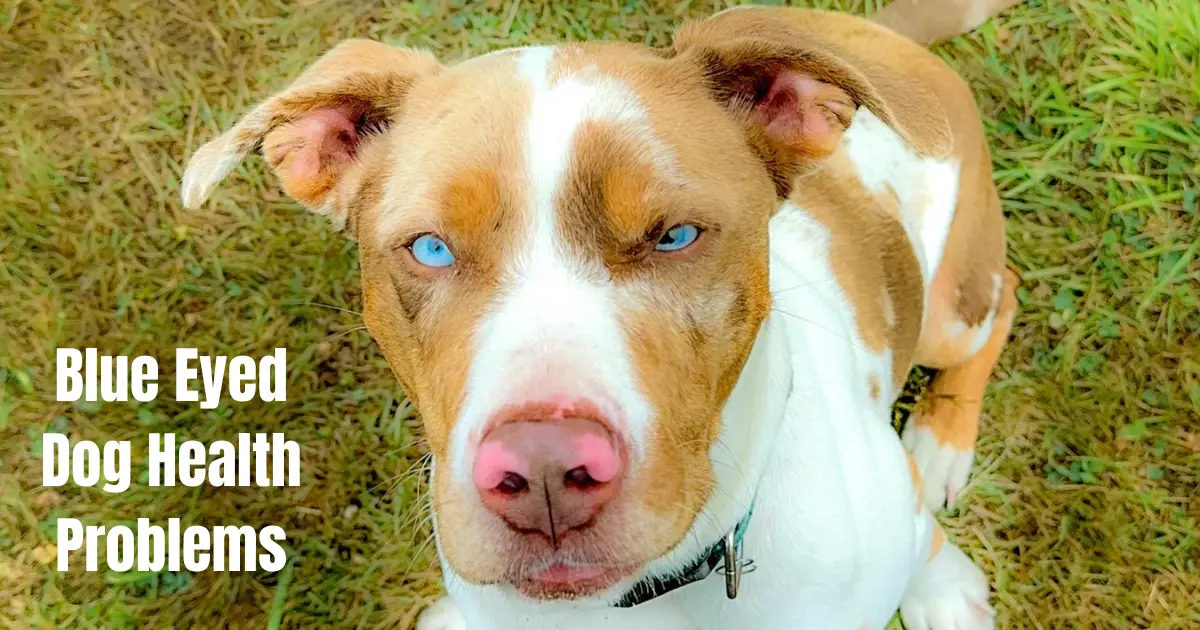
Blue eyed dogs are often seen as one of the most beautiful and striking animals in the canine world. Their unique eye color creates a rare and captivating appearance that immediately draws attention. However, behind this beauty, many dog owners wonder if there are hidden risks involved.
Blue eyes in dogs are often linked to genetics, especially specific inherited traits that affect pigmentation. While some dogs naturally have blue eyes without any issues, others may develop them due to genetic variations that can also influence their health.
In this guide, we will explore blue eyed dog health problems, separate common myths from facts, and understand whether these dogs are truly at higher risk or if it depends on their genetics and breed.
Why Do Some Dogs Have Blue Eyes
Blue eyes in dogs are mainly caused by genetic factors that influence melanin production, the pigment responsible for eye, skin, and coat color. When melanin is reduced in the iris, the eyes may appear blue.
One of the most important genetic contributors is the merle gene and piebald gene. These genes can dilute pigmentation and sometimes create unique eye colors, including blue or even mismatched eyes.
Certain breeds are more commonly associated with blue eyes, such as Siberian Huskies, Border Collies, and Australian Shepherds. In these breeds, blue eyes may occur naturally or as part of selective breeding patterns.
It is important to understand the difference between natural genetic variation and mutation-related changes. Some genetic patterns are harmless, while others can increase the risk of merle gene dogs health risks, especially when breeding is not carefully managed.
Common Blue Eyed Dog Health Problems
Vision related issues
Some dogs with genetic conditions linked to blue eyes may experience vision problems such as cataracts, progressive retinal atrophy, and corneal abnormalities. These conditions can affect clarity of vision and may worsen over time if not monitored.
Puppy eye abnormalities may also appear in some cases, especially in dogs with complex genetic backgrounds.
Hearing problems
There is a known link between pigmentation genes and hearing ability. In some cases, dogs with blue eyes—especially those with merle or piebald genetics—may also experience deafness.
This connection is often seen in congenital eye conditions in dogs where pigmentation-related genes affect both eye and inner ear development.
Light sensitivity
Dogs with reduced pigmentation may be more sensitive to bright light. This can lead to discomfort, squinting, or avoiding strong sunlight. While not always a serious condition, it can affect the dog’s comfort in daily life.
Are All Blue Eyed Dogs Unhealthy
Not all blue eyed dogs have health problems. This is one of the biggest myths among pet owners.
Many breeds, such as the Siberian Husky, naturally have blue eyes and live completely healthy lives without vision or hearing issues. In these cases, blue eyes are simply a normal breed trait.
The key difference lies in genetics. Natural blue eyes are usually harmless, while genetically linked mutations—especially in poorly managed breeding lines—can increase health risks.
Understanding this difference is important for separating fact from fear when discussing blue eyed dog health problems.
Breeds More Likely to Have Blue Eyed Dog Health Problems
Some breeds are more prone to health issues related to blue eye genetics, especially when the merle gene is involved.
These include:
- Australian Shepherd
- Dalmatian
- Border Collie
- Double merle dogs, which carry a higher risk of serious genetic complications
In these cases, responsible breeding plays a major role in reducing health risks and preventing avoidable genetic disorders.
Warning Signs of Eye or Hearing Problems in Dogs
Dog owners should watch for early signs that may indicate health issues, such as:
- Not responding to sound or commands
- Frequently bumping into objects
- Cloudy or hazy eyes
- Redness, swelling, or unusual discharge
- Behavioral changes in low light or darkness
Early detection can help prevent worsening conditions.
How to Protect and Care for Blue Eyed Dogs
Proper care can significantly improve the quality of life for dogs with blue eyes. Regular veterinary checkups are essential to monitor both vision and hearing health.
Genetic testing is also highly recommended, especially for breeds with known risks. Responsible breeding practices help reduce inherited health issues.
Basic care includes eye hygiene, avoiding harsh sunlight when necessary, and ensuring early treatment if symptoms appear. Adoption from ethical breeders is always a safer option.
Genetic Testing and Responsible Breeding
Genetic testing plays a crucial role in preventing health issues linked to the merle gene. It helps identify risks before breeding takes place.
One of the most important practices is avoiding double merle breeding, which significantly increases the chance of serious health problems.
Veterinarians and ethical breeders work together to ensure healthier generations of dogs by following responsible breeding standards.
When to Visit a Veterinarian
A vet visit is necessary if you notice:
- Sudden loss of vision
- Signs of hearing loss
- Changes in eye color or clarity
- Excessive tearing, pain, or irritation
Early medical attention can prevent complications.
Conclusion
Blue eyed dogs are beautiful and unique, but their health depends more on genetics than eye color alone. While some may face risks like vision or hearing issues, many live completely healthy lives.
Understanding blue eyed dog health problems helps dog owners make better decisions about care, breeding, and adoption. With responsible ownership and regular veterinary support, these dogs can live long and healthy lives.
