

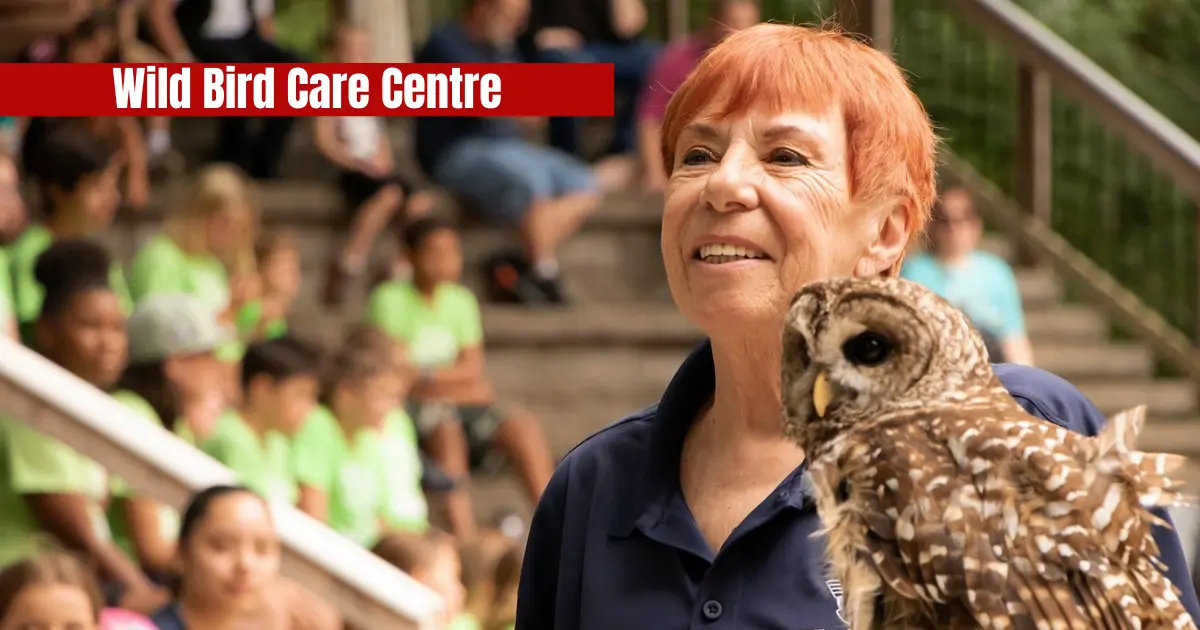
Wild birds play an important role in maintaining healthy ecosystems. They help control insect populations, spread seeds, and contribute to biodiversity. Unfortunately, many birds face daily threats from habitat loss, pollution, severe weather, vehicle collisions, and human activities. When these birds become injured, sick, or orphaned, a wild bird care centre becomes their best chance for survival and recovery.
A wild bird care centre provides professional rescue, medical treatment, rehabilitation, and release services for birds in need. These specialized facilities work tirelessly to restore birds to health and return them to their natural environments whenever possible. Their efforts not only save individual birds but also contribute to broader wildlife conservation initiatives.
What Is a Wild Bird Care Centre?
A wild bird care centre is a specialized facility dedicated to rescuing, treating, and rehabilitating wild birds. These centres are staffed by trained wildlife rehabilitators, veterinarians, conservation experts, and volunteers who understand the unique needs of different bird species.
The primary goal of a wild bird care centre is to provide temporary care that enables birds to recover from injuries or illnesses and eventually return to the wild. Unlike animal shelters that care for domestic pets, bird rehabilitation centres focus specifically on native wild bird populations.
Why Wild Birds Need Professional Care
Wild birds encounter numerous challenges that can threaten their survival. While nature has its own balance, many modern threats are directly linked to human activities.
Common Causes of Bird Injuries
Birds are often admitted to wildlife rehabilitation facilities because of:
- Window collisions
- Vehicle accidents
- Predator attacks
- Entanglement in fishing lines
- Exposure to toxic substances
- Nest destruction
- Severe weather conditions
Even minor injuries can become life threatening if left untreated. Professional care ensures that birds receive the medical attention necessary for recovery.
Orphaned and Abandoned Birds
Every year, bird rescue services receive thousands of calls about baby birds found on the ground. While some young birds are simply learning to fly, others may genuinely require assistance after losing their parents or becoming separated from their nests.
Determining whether intervention is necessary requires expertise that a wild bird care centre can provide.
Services Offered by a Wild Bird Care Centre
Modern bird rehabilitation centres offer a wide range of services designed to meet the needs of injured and vulnerable birds.
Emergency Bird Rescue
Many centres operate rescue programs that respond to reports of injured birds. Trained staff safely capture and transport birds to rehabilitation facilities where they can receive immediate care.
Veterinary Treatment
Medical care is one of the most critical functions of a wild bird care centre. Birds may require:
- Wound treatment
- Fracture repair
- Fluid therapy
- Disease management
- Nutritional support
- Diagnostic testing
Wildlife veterinarians use specialized techniques tailored to the unique physiology of birds.
Rehabilitation Programs
After medical treatment, birds enter rehabilitation programs designed to restore their physical condition. This may involve flight training, muscle strengthening, and behavioral conditioning.
The objective is to ensure that birds can survive independently once released.
Care for Baby Birds
Orphaned birds require intensive care and specialized feeding schedules. Wildlife rehabilitators replicate natural conditions as closely as possible while minimizing human interaction to prevent imprinting.
Public Education
Many wild bird care centres educate the public about bird conservation, responsible wildlife interactions, and ways to protect local bird populations.
The Bird Rehabilitation Process
The journey from rescue to release follows a carefully planned process.
Initial Assessment
Upon arrival, each bird undergoes a thorough examination. Rehabilitators assess injuries, hydration levels, body condition, and overall health.
Medical Stabilization
Birds suffering from trauma or illness receive immediate treatment. Stabilization may involve medication, fluid therapy, or emergency surgery.
Recovery and Conditioning
As birds heal, they move to larger enclosures where they can regain strength and practice natural behaviors.
Flight conditioning is especially important for birds of prey and migratory species.
Release Into the Wild
Once a bird demonstrates the ability to fly, hunt, forage, and avoid danger, it may be released back into a suitable habitat.
Releasing a rehabilitated bird is often the most rewarding moment for both caregivers and conservationists.
Common Bird Species Treated at Wild Bird Care Centres
Bird rehabilitation facilities care for a diverse range of species.
Songbirds
Robins, sparrows, finches, and warblers frequently require rehabilitation due to window strikes and nest disturbances.
Birds of Prey
Hawks, falcons, eagles, and owls often arrive with injuries caused by vehicle collisions, electrocution, or habitat disruption.
Water Birds
Ducks, geese, swans, and herons may suffer from pollution exposure, fishing gear entanglement, or habitat degradation.
Migratory Birds
Migratory species face unique challenges during their long journeys and often benefit from temporary rehabilitation and recovery support.
Signs a Wild Bird Needs Help
Not every bird found on the ground requires rescue. However, certain signs indicate that professional assistance is necessary.
These signs include:
- Visible bleeding
- Broken wings or legs
- Inability to stand
- Difficulty breathing
- Evidence of predator attacks
- Unresponsiveness
- Exposure to oil or chemicals
If you observe any of these symptoms, contact a wild bird care centre immediately.
What to Do If You Find an Injured Bird
Finding an injured bird can be stressful, but taking the right steps can improve its chances of survival.
Keep the Bird Safe
Place the bird in a ventilated box lined with a soft towel. Keep the container in a quiet and warm location away from pets and children.
Avoid Feeding the Bird
Different bird species have specific dietary requirements. Feeding the wrong food can worsen their condition.
Contact Wildlife Experts
Reach out to a local wildlife rescue centre or bird rehabilitation facility as soon as possible for professional guidance.
Limit Human Interaction
Excessive handling increases stress and can interfere with rehabilitation efforts.
The Role of Conservation in Bird Rehabilitation
Wild bird care centres do more than save individual animals. They contribute significantly to wildlife conservation efforts.
By tracking injury trends and collecting rehabilitation data, these centres help researchers identify threats facing local bird populations.
Their work supports:
- Habitat protection
- Species monitoring
- Public awareness campaigns
- Conservation research
- Biodiversity preservation
Every rehabilitated bird contributes valuable information that can help protect future generations.
Challenges Faced by Wild Bird Care Centres
Despite their importance, many centres operate with limited resources.
Funding Constraints
Most wildlife rescue organizations rely heavily on donations, grants, and volunteer support.
Growing Wildlife Emergencies
Urban expansion and environmental changes continue to increase the number of birds requiring rehabilitation.
Climate Related Pressures
Extreme weather events, habitat shifts, and food shortages are creating new challenges for bird populations worldwide.
Meeting these growing demands requires ongoing community support and conservation investment.
How You Can Support a Wild Bird Care Centre
Even if you are not a wildlife expert, there are many ways to help.
Donate
Financial contributions help cover medical supplies, food, housing, and veterinary care.
Volunteer
Many centres welcome volunteers for animal care, education programs, and administrative support.
Create Bird Friendly Spaces
Planting native vegetation, reducing pesticide use, and installing bird safe windows can reduce bird injuries.
Spread Awareness
Educating friends and family about responsible wildlife practices helps protect birds in your community.
Conclusion
A wild bird care centre serves as a vital resource for injured, sick, and orphaned birds. Through rescue, medical treatment, rehabilitation, and conservation efforts, these facilities give countless birds a second chance at life.
Their work extends far beyond individual rescues. By supporting biodiversity, advancing conservation research, and educating the public, wild bird care centres play a critical role in protecting wildlife for future generations.
Whether through donations, volunteering, or creating safer habitats, everyone can contribute to the mission of preserving and protecting wild bird populations. Every rescued bird represents hope, recovery, and a stronger future for our natural world.
