

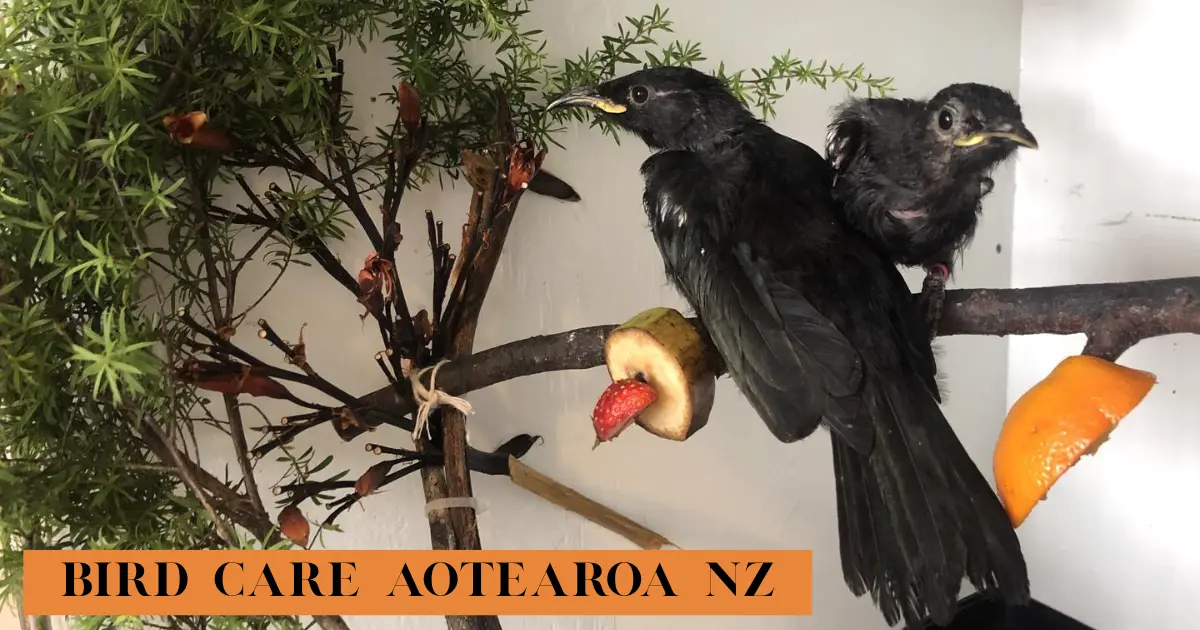
Introduction
Bird care in Aotearoa NZ is an important responsibility for anyone who loves or interacts with birds, whether they are native species in the wild or companion birds kept at home. New Zealand has a unique ecosystem where many bird species are found nowhere else in the world, which makes proper care, awareness, and conservation efforts even more important.
Understanding bird care aotearoa nz practices helps protect bird health, support biodiversity, and ensure that both wild and pet birds live safe and healthy lives. This guide covers everything from feeding and housing to health care and conservation.
Understanding Bird Care in Aotearoa NZ
Bird care in New Zealand is not just about feeding birds. It includes protecting natural habitats, preventing harm, and understanding the needs of different species.
Why Bird Care Matters in New Zealand
New Zealand is home to many unique bird species that are vulnerable to predators, habitat loss, and environmental changes. Responsible care helps maintain ecological balance and supports conservation efforts across the country.
Native Birds Versus Pet Birds
Native birds live in forests, wetlands, and coastal areas, while pet birds are kept in domestic environments. Both require different care approaches, but both depend on human responsibility for safety and wellbeing.
Common Bird Species Found in New Zealand
Native Birds of Aotearoa
Some well known native birds include:
- Kiwi
- Tui
- Kereru (wood pigeon)
- Fantail (piwakawaka)
- Kea
These birds are protected and play important roles in the ecosystem.
Companion Birds Kept as Pets
Common pet birds include:
- Budgies
- Cockatiels
- Parrots
- Canaries
Each species has unique dietary, social, and environmental needs.
Migratory and Visiting Birds
Some seabirds and migratory species visit New Zealand seasonally, adding to biodiversity and ecosystem balance.
Essential Bird Care Requirements
Providing Proper Nutrition
A balanced diet is essential. Most birds need:
- Fresh fruits and vegetables
- Species specific pellets or seeds
- Clean protein sources when appropriate
Avoid processed or salty foods.
Clean Water and Hydration
Fresh water must always be available and changed daily to prevent bacterial growth.
Safe and Comfortable Housing
Pet birds need spacious cages with room to move, perch, and stretch wings. Wild birds need protected natural habitats.
Environmental Enrichment
Birds are intelligent and require stimulation such as:
- Toys
- Natural branches
- Social interaction
- Problem solving activities
Exercise and Flight Opportunities
Flight is essential for physical and mental health. Birds should have safe spaces to fly or large enclosures.
Feeding Birds Responsibly
Recommended Foods
Safe foods include:
- Apples (without seeds)
- Carrots
- Leafy greens
- Bird pellets
Foods to Avoid
Never feed birds:
- Chocolate
- Avocado
- Caffeine
- Alcohol
- Salty or fried foods
These can be toxic.
Seasonal Feeding
In colder months, birds may require higher energy foods such as seeds and nuts.
Bird Friendly Feeding Stations
Outdoor feeding stations should be clean and placed safely away from predators.
Health and Wellness for Birds
Signs of a Healthy Bird
Healthy birds show:
- Bright eyes
- Smooth feathers
- Active behavior
- Regular eating habits
Common Health Issues
Birds may suffer from:
- Respiratory infections
- Feather plucking
- Nutritional deficiencies
- Parasites
Early Warning Signs
Watch for:
- Lethargy
- Loss of appetite
- Changes in droppings
- Breathing difficulties
Veterinary Care
Always consult an avian vet if symptoms appear early.
Common Bird Care Mistakes
- Feeding incorrect diets
- Ignoring behavioral changes
- Keeping small cages
- Lack of mental stimulation
- Delaying medical care
Avoiding these improves bird health significantly.
Expert Bird Care Tips
- Observe your bird daily
- Maintain consistent routines
- Clean cages regularly
- Learn species specific needs
- Provide both physical and mental enrichment
Frequently Asked Questions
What is the best diet for birds in New Zealand?
A mix of fresh fruits, vegetables, and species appropriate pellets is best.
Can I feed wild birds bread?
No, bread has little nutritional value and can harm birds over time.
How do I attract native birds to my garden?
Plant native trees and provide clean water sources.
What should I do if I find a sick bird?
Place it in a safe box and contact a wildlife rescue organization.
Are native birds protected in Aotearoa?
Yes, most native birds are legally protected.
Conclusion
Bird care aotearoa nz is about responsibility, awareness, and respect for both native wildlife and companion birds. By providing proper nutrition, safe environments, and timely care, we can ensure birds thrive in New Zealand’s unique ecosystem.
Protecting birds is not just an individual effort but a collective responsibility that supports biodiversity and the natural heritage of Aotearoa.
