

Introduction
Bringing a puppy into your home is exciting, but it can also feel overwhelming when the biting, barking, and constant energy take over daily life. Many new dog owners struggle to understand what is normal behavior and what needs correction, especially during the early months of development. This is where structured guidance becomes essential, and approaches like will atherton puppy training offer a clear direction for building discipline, trust, and calm behavior from the start.
Early training is not just about teaching commands, it is about shaping long term behavior patterns. When a puppy understands structure and boundaries early on, it becomes easier to build a balanced relationship based on trust rather than confusion or frustration.
About Will Atherton and His Training Approach
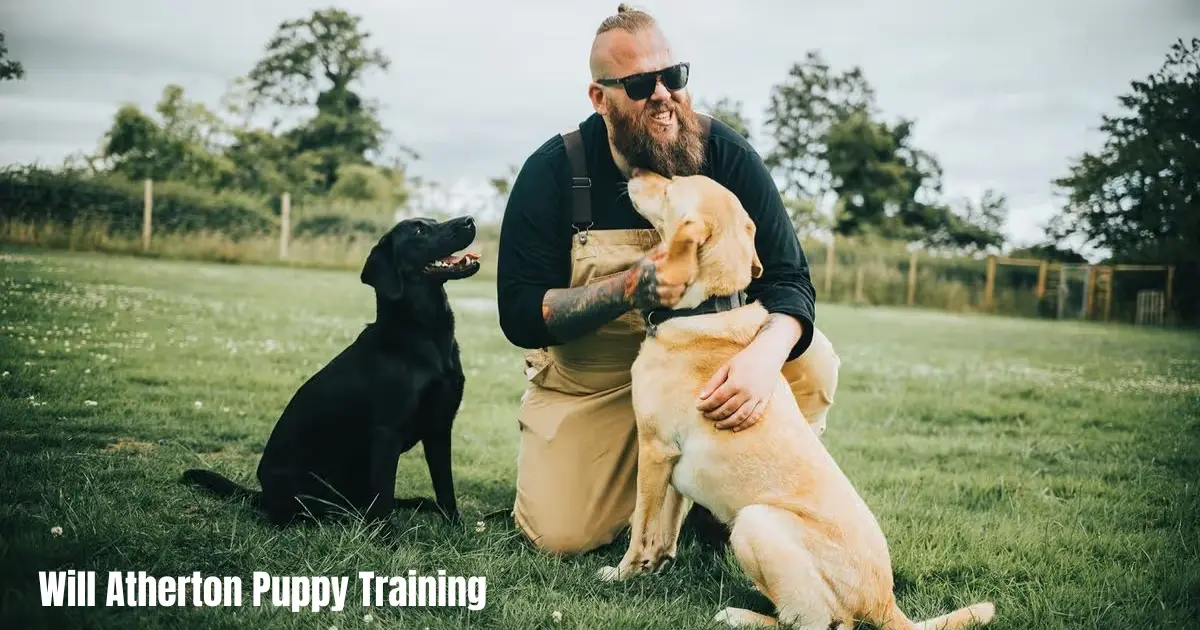
Will Atherton is known for his practical and psychology based approach to dog behavior, especially when working with challenging or reactive dogs. His methods focus on calm leadership and structured communication rather than chaos or inconsistent handling.
The Will Atherton dog training style is built on a few core ideas. He emphasizes leadership and structure, where the owner becomes a clear guide for the dog. He also focuses heavily on understanding dog psychology, helping owners see behavior as communication rather than random actions.
Another key part of his approach is balance. He uses both discipline and reward in a controlled and thoughtful way, ensuring the dog learns what is expected without confusion. His real world experience with reactive and aggressive dogs has shaped a puppy behavior training philosophy that prioritizes clarity, calmness, and consistency.
Why Puppy Training Matters in Early Development
The puppy stage is one of the most critical periods in a dog’s life because this is when habits, responses, and social behaviors are formed. What a puppy learns during this time often carries into adulthood.
Early training supports social behavior development by helping puppies interact properly with people, environments, and other animals. It also reduces the risk of future anxiety or aggression by creating stable emotional responses.
Building obedience habits early makes daily life easier and strengthens communication between owner and puppy. More importantly, it builds a strong emotional bond that improves trust and cooperation. This is why puppy obedience training and understanding the early dog training importance cannot be ignored.
Core Principles Behind Will Atherton Puppy Training Methods
The foundation of these training methods revolves around calm, structured leadership.
A puppy needs calm leadership from the owner to feel secure and understand expectations. Without it, behavior becomes inconsistent and unpredictable.
Clear boundaries and consistency are equally important. A puppy must receive the same message every time to avoid confusion. Rewarding good behavior at the right moment helps reinforce positive actions and speeds up learning.
It is also important to avoid confusion in commands. Mixed signals slow down progress and increase frustration for both dog and owner.
Most importantly, trust should always come before correction. When a puppy trusts its owner, it becomes more responsive to guidance. These puppy behavior correction techniques and dog discipline training methods focus on building understanding instead of fear.
Step by Step Puppy Training Framework
Building Trust First
A puppy learns best when it feels safe and understood. Before introducing strict rules, focus on building a bond through calm interaction, consistency, and positive experiences.
Teaching Basic Commands
Start with simple commands like sit, stay, come, and leash walking. Keep sessions short and repeat them daily so the puppy gradually understands expectations.
Managing Unwanted Behavior
Common issues like biting, jumping, chewing, and barking should be addressed early. Instead of reacting emotionally, redirect behavior and reinforce calm responses.
Social Exposure
Expose your puppy to different environments, people, and other dogs in a controlled way. This helps build confidence and reduces fear based reactions later in life.
Daily Training Routine
Consistency is key. Short training sessions spread throughout the day are far more effective than long, exhausting ones. This forms a reliable puppy obedience routine and a structured dog training schedule for beginners.
Common Mistakes Dog Owners Make
Many training problems come from simple but repeated mistakes.
Inconsistent rules confuse the puppy and slow down progress. Over rewarding excitement can reinforce hyperactive behavior instead of calmness. Delayed correction makes it harder for the puppy to understand what went wrong. A lack of daily structure also leads to unpredictable behavior patterns.
These are some of the most common puppy training mistakes and dog owner training errors that can easily be avoided with awareness and consistency.
Tips to Speed Up Puppy Training Results
Keep training sessions short and consistent so the puppy stays focused. Use clear and simple voice commands so there is no confusion. Reward calm behavior immediately so the association is strong. Most importantly, stay patient and repetitive because learning takes time.
These puppy training tips are essential for achieving fast dog training results without overwhelming the puppy.
Conclusion
Structured guidance inspired by will atherton puppy training principles can make a significant difference in how a puppy develops into adulthood. With calm leadership, consistency, and clear communication, any owner can shape a well behaved, confident, and balanced dog.
In the end, success in training is not about force or dominance, but about understanding, patience, and steady leadership that builds lifelong trust.
