

Introduction
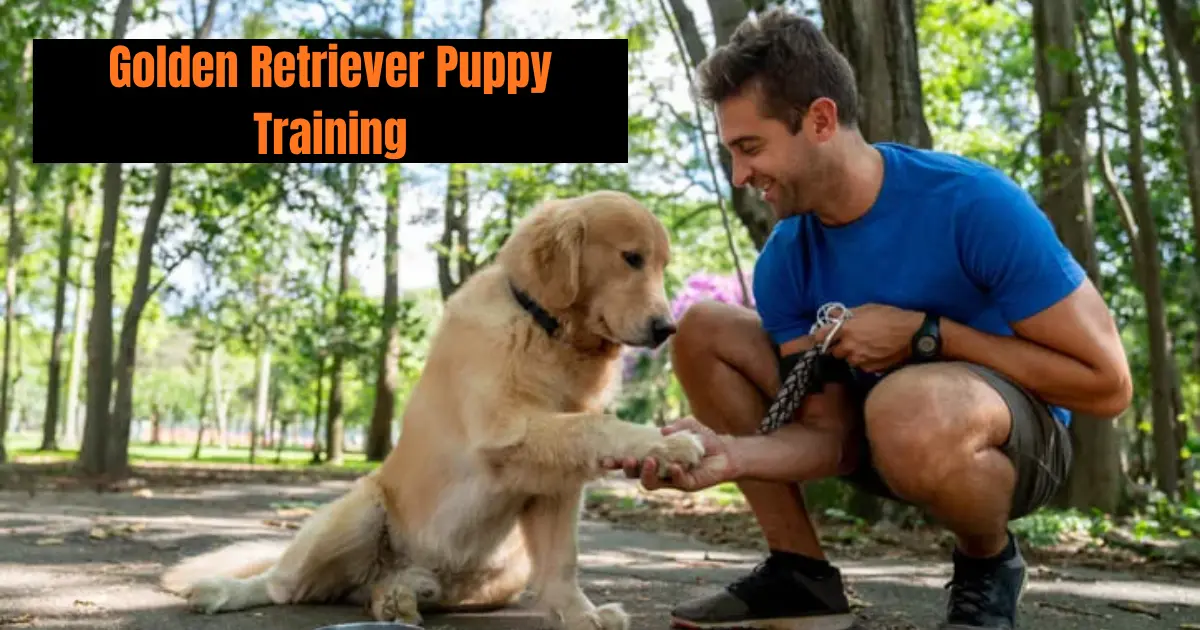
Golden Retrievers are widely known for their intelligence, friendly nature, and eagerness to please their owners, which makes them one of the easiest breeds to train. However, like any puppy, they still require patience, structure, and consistency from the beginning.
Many new owners struggle with basic obedience training, housebreaking, and understanding the right way to communicate with their puppy. Without proper guidance, even simple dog training basics can become overwhelming.
This guide on golden retriever puppy training will help you understand how to build good habits early using simple and effective methods. Whether you are a first time dog owner or just need a refresher, these first time puppy owner tips will make the process smoother and more enjoyable.
Related concepts naturally included: puppy obedience training, dog training basics, first time puppy owner tips
Understanding Golden Retriever Puppy Behavior
Golden Retriever puppies are naturally friendly, energetic, and highly eager to please. These traits make them quick learners when training is done correctly.
They respond best to positive reinforcement and consistency rather than harsh correction. Their attention span is short, especially in early months, which is why training sessions must be kept simple and engaging.
Dog behavior experts and professional trainers generally agree that early understanding of temperament plays a key role in shaping long term behavior. Puppies go through different learning stages, and each stage requires a slightly different training approach.
Understanding your puppy’s mindset is the foundation of effective puppy obedience training and long term discipline.
When to Start Golden Retriever Puppy Training
The best time to start training a Golden Retriever puppy is around 8 weeks of age or as soon as they come home. At this stage, puppies are highly adaptable and absorb new habits quickly.
Early socialization is equally important because it helps your puppy become comfortable with different people, environments, and sounds. This reduces fear based behavior later in life.
Training should be done in short daily sessions instead of long exercises. Puppies learn better in small, repeated interactions rather than long and tiring routines.
This stage is crucial for building a strong early dog training schedule that supports healthy development.
Essential Training Supplies You Will Need
Before starting training, it is important to prepare the right tools to make the process easier and more effective.
You will need:
- Small treats for positive reinforcement
- A clicker for clicker training (optional but helpful)
- A comfortable leash and collar
- A crate for structured crate training
These puppy training tools help create consistency and make communication clearer between you and your puppy.
Having the right crate training essentials also helps establish boundaries and safety from the beginning.
Basic Obedience Training Steps
Sit Command Training
Start by holding a treat close to your puppy’s nose and slowly move it upward. As the puppy looks up, its body naturally moves into a sitting position. Once seated, reward immediately.
Timing is important because puppies associate actions with rewards within seconds.
Stay Command Training
Ask your puppy to sit, then take a small step back. If they stay in place, reward them immediately. Gradually increase the distance over time.
Keep sessions short and calm to avoid confusion.
Come When Called
Use a happy tone and call your puppy’s name followed by the command. When they come to you, reward them generously.
Avoid punishment based training, as it reduces trust and slows learning. Positive reinforcement builds stronger obedience and confidence.
These steps form the foundation of obedience training for puppies and long term discipline.
Potty Training a Golden Retriever Puppy
Potty training requires routine and patience. Take your puppy out at consistent times, especially after eating, drinking, or waking up.
Feeding schedules help regulate bathroom habits, making it easier to predict timing.
Always reward your puppy immediately after they go in the right place. If accidents happen, stay calm and avoid punishment, as it can create fear.
A structured puppy potty training schedule helps speed up housebreaking and builds consistency in behavior.
Crate Training Benefits and Method
Crate training is not about confinement but about creating a safe and comfortable space for your puppy.
Introduce the crate slowly by placing treats and toys inside. Allow your puppy to explore it freely before closing the door.
Never use the crate as punishment. Instead, make it a positive environment where your puppy feels secure.
This method is widely recommended in crate training puppy steps because it supports both discipline and comfort.
Socialization Training for Golden Retriever Puppies
Socialization is one of the most important parts of early development. Introduce your puppy to different people, friendly dogs, sounds, and environments.
This exposure helps prevent fear based reactions and aggression later in life.
Professional dog trainers and animal behavior experts strongly recommend starting socialization during the early puppy socialization period because it shapes long term behavior.
Proper socialization supports healthy dog behavior development and improves confidence.
Common Training Mistakes to Avoid
Many new owners unintentionally slow progress by making simple mistakes:
- Using inconsistent commands
- Relying too much on punishment
- Skipping socialization opportunities
- Running training sessions that are too long
Avoiding these mistakes is essential for successful puppy training and balanced behavior.
These issues are among the most common puppy training mistakes and can lead to long term dog behavior problems if ignored.
Daily Training Schedule Example
A simple daily routine helps maintain consistency:
Morning:
Short obedience training session followed by potty break
Afternoon:
Playtime and reinforcement of basic commands
Evening:
Light review session and calm bonding time
This structure supports a healthy dog training schedule that fits into everyday life easily.
Tips for Faster Learning
To improve training results:
- Keep sessions short and focused
- Use high value treats for motivation
- Stay consistent with commands and rules
- Be patient and avoid rushing progress
These methods are commonly recommended in how to train puppies faster guides and general dog training tips used by trainers.
Conclusion
Training a Golden Retriever puppy requires patience, consistency, and positive interaction. When done correctly, it builds not only obedience but also a strong emotional bond between you and your dog.
Using proper golden retriever puppy training methods from the beginning ensures long term success in behavior, discipline, and happiness. Focus on consistency rather than speed, and your puppy will grow into a well trained and confident companion.
